Commissioning & SOP Implementation — Before You Bring Plants In
Before the first plants ever enter your facility, commissioning is the most important step in ensuring a smooth start to operations. This is the moment the facility transitions from the construction team to the operations team — and every piece of equipment, control system, and workflow must be verified for proper functionality.
Getting commissioning right isn't just about testing equipment. It's about validating that your facility can actually perform what it was designed to do — and that your team has the procedures and training to run it consistently from day one.
Get the Cannabis Facility Build Guide Toolkit
Everything from this series in one downloadable pack — Excel calculators, checklists, and a printed quick-reference card. Built by the team behind CannaCribs Consulting.
- 📊 10-Tab Excel Workbook
- 💰 Financial Model Calculator
- 📍 Site Selection Scorecard
- 💧 Fertigation Dryback Log
- ✅ Commissioning Checklist
- 🔒 Compliance Readiness
- 📄 Quick Reference Card
The Commissioning Process: Four Critical Focus Areas
During commissioning, CannaCribs Consulting works through four interconnected system areas, ensuring each is verified individually and validated as part of the integrated facility:
HVAC, Fertigation & Lighting
Thorough functional testing of every cultivation system — confirming each performs as designed under real operating loads before plants are introduced.
Power, Water & Redundancy
Verifying power distribution, water supply/drainage, backup systems, and alarms. Operational disruptions discovered here cost far less than disruptions during active production.
Setpoint Validation
Setting and validating environmental setpoints for every cultivation and post-harvest space — ensuring each room can reach and hold its target temperature, humidity, and CO₂ levels.
Controls & Automation
Verifying that control systems, sensors, alarms, and automation platforms communicate correctly — and that any deviations trigger the right responses.
Staggered Startup: The Right Way to Ramp Up Production
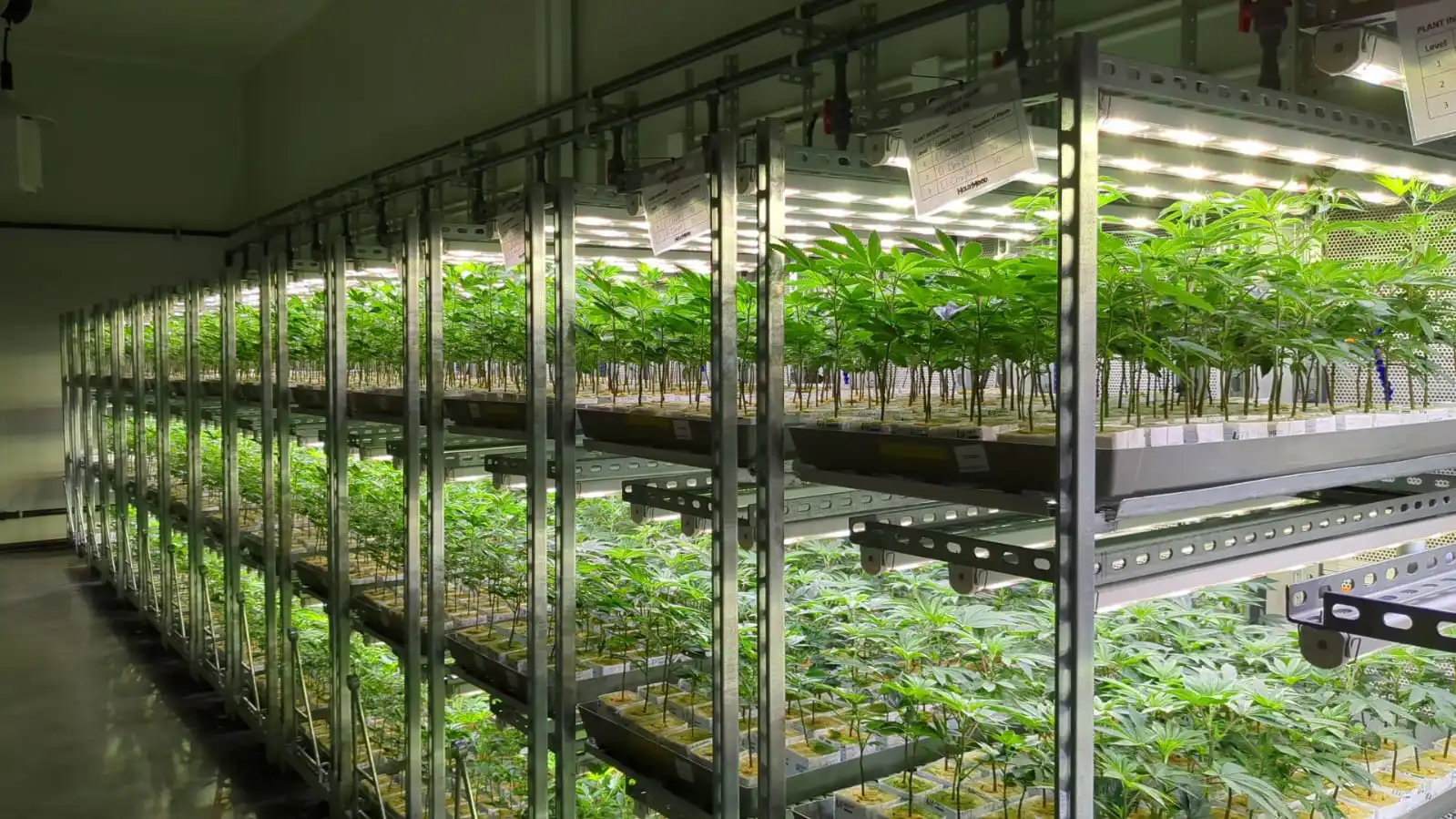
Commissioning also includes planning your production ramp-up strategy. Rather than bringing all rooms online simultaneously, CannaCribs Consulting recommends a staggered startup — gradually bringing rooms online in a controlled sequence.
Start with 1–2 rooms. Focus entirely on dialing in systems, resolving unexpected issues, and establishing operational rhythm before adding complexity.
Bring additional rooms online as the team establishes production cadence — e.g., producing a set volume of flower per month or per harvest. Identify and resolve bottlenecks before they scale.
All rooms operational, team fully trained, SOPs embedded into daily workflows. The facility is now running at target production with documented, repeatable processes.

SOP Implementation: Your Facility's Operational Cookbook
Once commissioning is complete, the next step is implementing Standard Operating Procedures — the documented, step-by-step instructions that cover every cultivation and post-harvest process. Think of SOPs as your facility's cookbook: every process, from taking cuttings to packaging finished flower, has a defined recipe that every team member follows the same way, every time.
Without SOPs, your facility's performance is only as consistent as whoever happens to be working that day. With validated SOPs, the facility runs to a standard — not to the knowledge level of the individual.
What CannaCribs' SOP Package Covers
CannaCribs Consulting provides validated SOPs that are customized to your specific facility design, equipment, and production goals — not generic templates pulled from a library. Every SOP is written to reflect how your systems actually work and how your team will operate them.
Team Training: From SOPs to Independent Operators
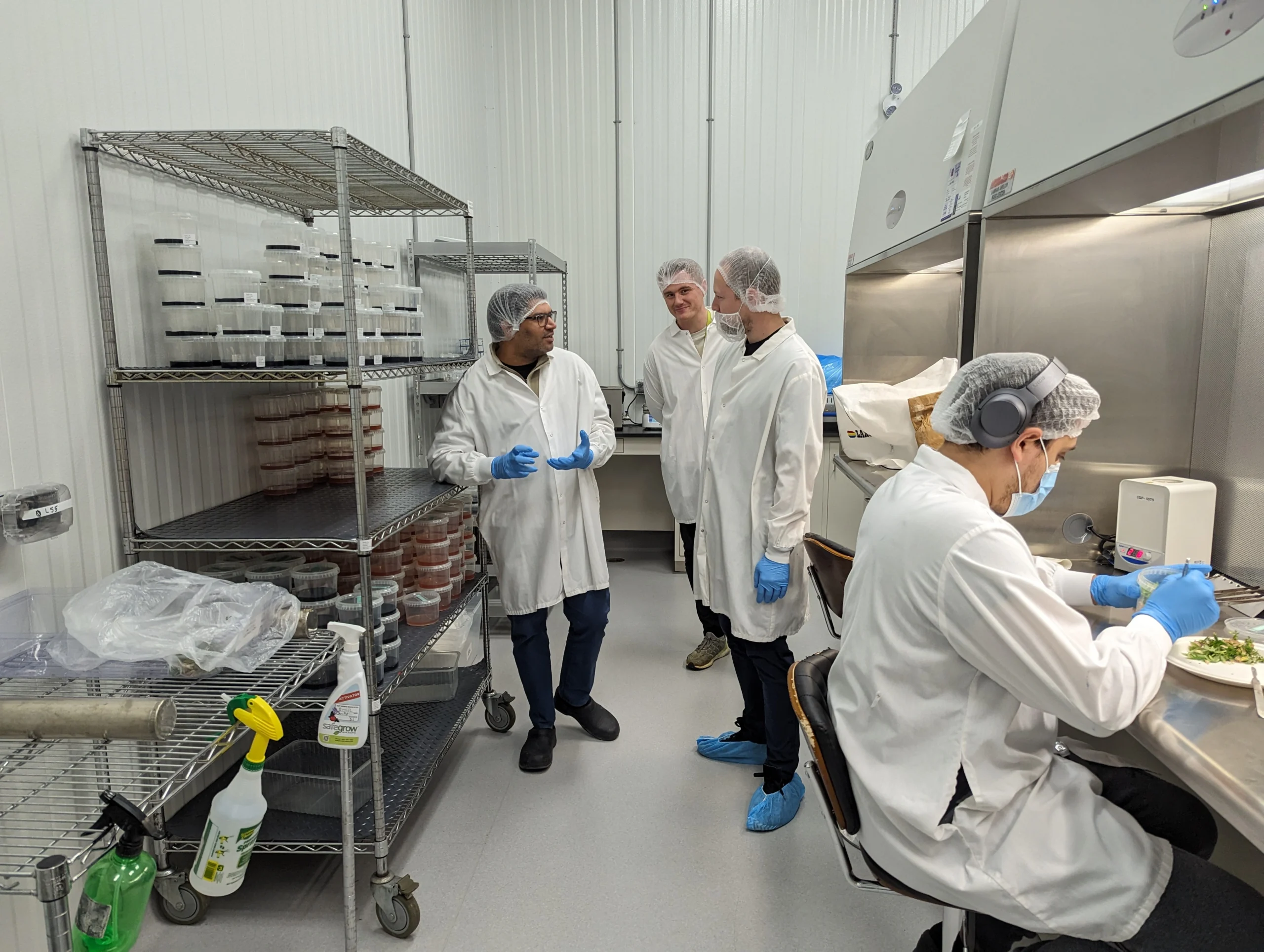
SOPs alone aren't enough. A document on a shelf doesn't grow cannabis — a trained, confident team does. CannaCribs Consulting works directly with your growers and operators to ensure they not only understand the procedures but can execute them to the highest standard under real operational conditions.
The Mentorship Approach
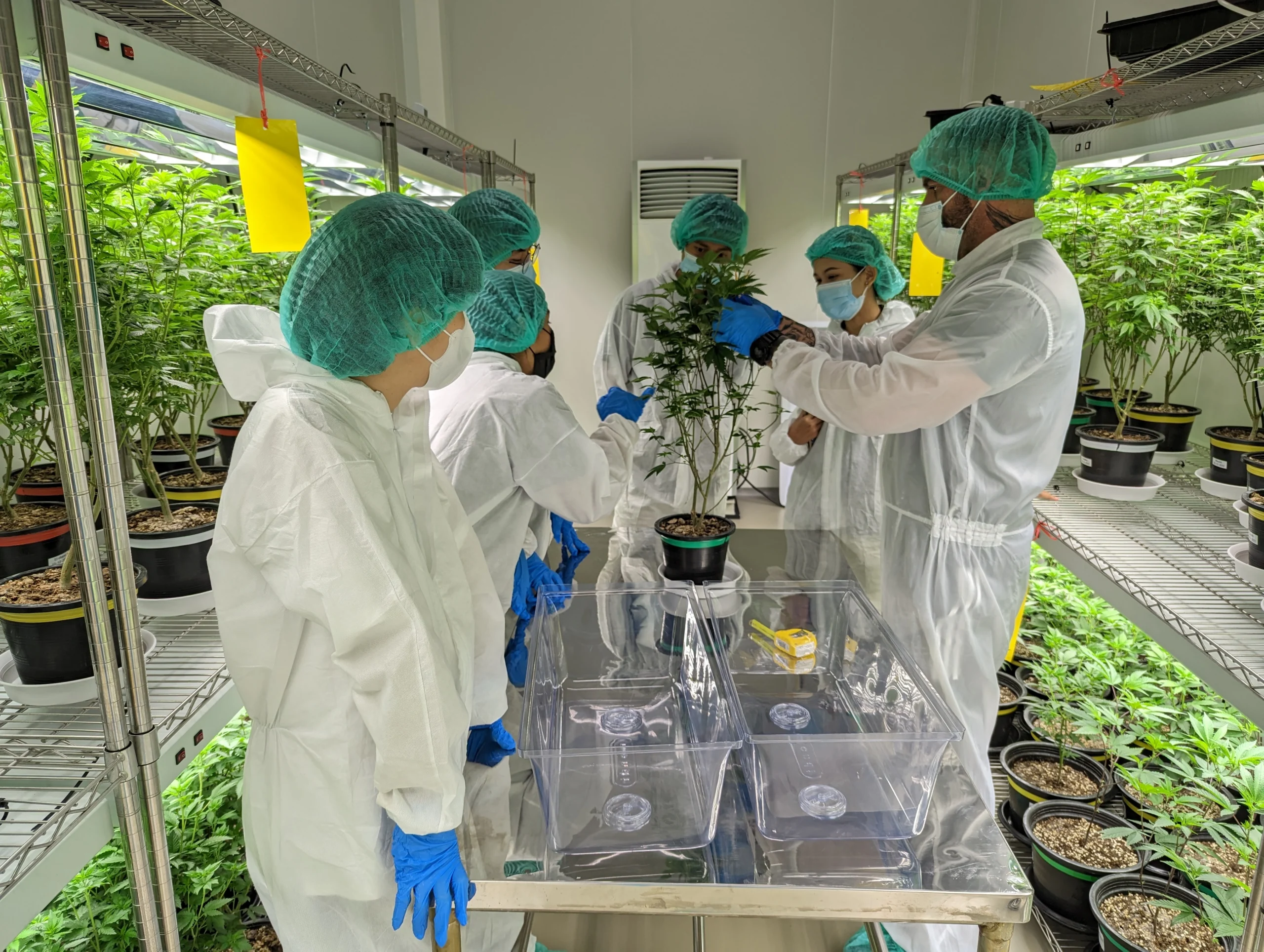
In many engagements, the CannaCribs team runs the facility alongside your growers during the initial cycles — allowing them to learn by doing and by direct observation. This hands-on mentorship approach has consistently transformed teams with little or no large-scale cannabis experience into world-class operators who can run the facility independently.
The difference between a team that follows an SOP and a team that understands why it exists is the difference between a facility that functions and a facility that excels. We build the latter.
Training Covers:
- SOP walkthrough and hands-on execution across all cultivation and post-harvest processes
- Environmental monitoring and response — when to adjust, when to escalate
- Fertigation management and troubleshooting
- IPM scouting, identification, and intervention
- Record-keeping, chain of custody, and compliance documentation
- Quality checkpoints at every stage of production
Commissioning & SOP Implementation Checklist

Download the Build Guide Toolkit
Financial model, setpoints reference, site scorecard, dryback log, commissioning checklist, and compliance readiness — all in one Excel workbook + Word quick-reference card.
- 🌡 Environmental Setpoints
- 💡 PPFD & DLI Calculator
- 🪴 Dry Room Sizing Tool
- 🌱 Clone KPI Tracker
- 🔒 Pre-Audit Checklist
Commissioning and SOP requirements vary by state regulatory framework. CannaCribs Consulting offers market-specific operational launch support in:
Q&A Section
Facility commissioning is the structured process of verifying and validating that every system in a newly built cannabis cultivation facility — HVAC, fertigation, lighting, electrical, water, drainage, controls, and redundancy — performs correctly before a single plant enters the space.
It's the handoff moment from the construction team to the operations team. Every piece of equipment is tested under real operating conditions. Environmental setpoints are dialed in and validated for each room. Redundancy and alarm systems are stress-tested. The goal is to find and fix problems before they affect a live crop — when the cost is a commissioning day, not a lost harvest.
A Standard Operating Procedure (SOP) is a detailed, step-by-step document that defines exactly how a specific task is performed — who does it, when, how, and to what standard. In cannabis cultivation, SOPs are the operational backbone of any serious facility.
Without SOPs, consistency depends on individual knowledge and memory — and varies with every shift change, new hire, or busy day. With validated SOPs, the facility runs to a documented standard regardless of who is working. SOPs also serve as the foundation for regulatory compliance, training programs, and audit readiness under state regulations, GACP, and EU-GMP frameworks.
Commissioning timelines vary significantly based on facility size, system complexity, and the number of issues discovered during testing. For a mid-size commercial indoor facility (5,000–15,000 sq ft), a thorough commissioning process typically takes 2–6 weeks, including systems testing, setpoint validation, and issue resolution.
Larger facilities, or those targeting GACP/EU-GMP certification, will require additional validation documentation and may take 4–12 weeks or more. The key principle: don't rush commissioning to get plants in faster. Every shortcut in commissioning tends to compound into operational problems that cost far more to fix during production.
Launching all rooms simultaneously is one of the most common and costly mistakes in new facility startups. When everything goes live at once, any operational bottleneck — in fertigation, harvest throughput, drying capacity, staffing, or post-harvest processing — affects the entire facility simultaneously.
A staggered startup brings rooms online in sequence, giving the team time to establish proper production cadence, identify and resolve bottlenecks at small scale, and build confidence in each system before adding complexity. It also lets you match plant input to your actual post-harvest capacity — rather than discovering your dry rooms can't handle the output from 10 rooms when all 10 rooms harvest the same week.
CannaCribs Consulting provides validated SOPs customized to your specific facility design, equipment, and production goals — not generic templates. The package covers every stage of cultivation and post-harvest operations:
- Propagation, vegetative phase, and flowering procedures
- Integrated pest management (IPM) — scouting, identification, intervention, and product records
- Fertigation and nutrient delivery — mixing protocols, irrigation schedules, EC/pH management
- Harvest, drying, trimming, curing, and packaging workflows
- Sanitation, biosecurity, and gowning protocols
- Compliance documentation — batch records, chain of custody, regulatory reporting
Beyond delivering the documents, we train your team on every SOP and, in many engagements, run the facility alongside your growers during the initial cycles — ensuring the team can execute to the highest standard independently.
Related


 CannaCribs.org