
How To Prevent and Manage Powdery Mildew in Your Grow
Powdery mildew can quietly wipe out yield, quality, and compliance. Watch this expert breakdown to see how top cultivation consultants prevent and control it before it becomes a full-scale outbreak.
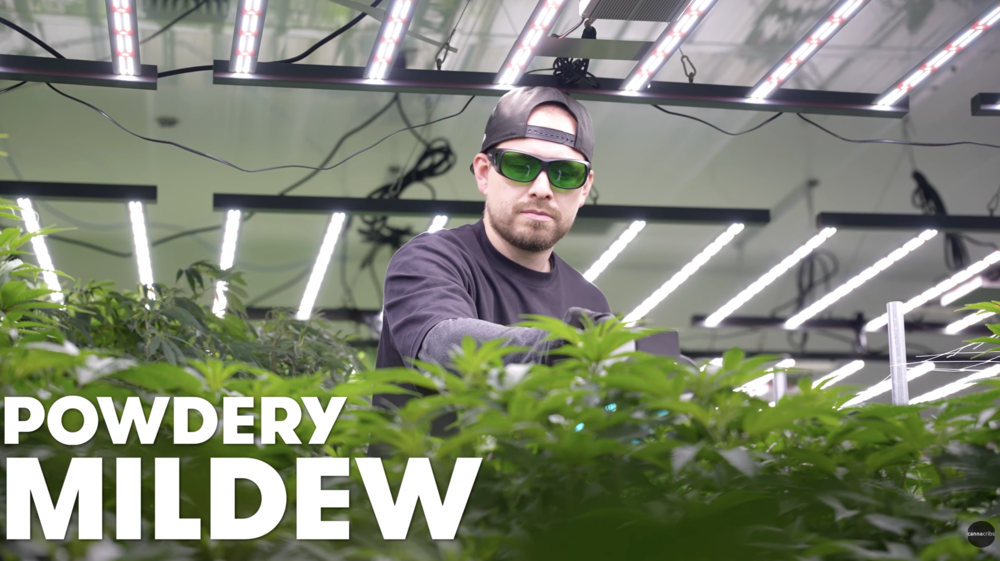
Powdery Mildew in Commercial Cannabis: An IPM-First Playbook for Growers
-
Powdery mildew remains one of the most destructive and persistent diseases in commercial cannabis cultivation. Left unmanaged, it can devastate crop quality, reduce yields, compromise compliance, and in severe cases force growers to destroy entire rooms. For operators running tight margins and regulated facilities, powdery mildew isn’t just a plant health issue, it’s a business risk.
In this episode of CannaCribs Consulting, Juan walks through a practical, integrated pest management (IPM) framework that commercial growers can use to prevent, detect, and control powdery mildew effectively. The approach emphasizes environmental control, disciplined scouting, preventative tools, and compliant remediation strategies, all essential pillars of modern cultivation consulting.
Why Powdery Mildew Is So Dangerous in Cannabis Facilities
Powdery mildew is a fungal pathogen that often becomes visible only after infection has already occurred. The familiar white, fuzzy growth on leaves is a late-stage symptom. By the time it’s visible, spores have already spread throughout the space. This disease thrives during periods of high humidity and spreads rapidly during dry conditions, making inconsistent environmental control a major risk factor.
From an IPM standpoint, powdery mildew highlights a core truth: prevention is always cheaper and more effective than treatment.
Environmental Control: Your First Line of Defense
The foundation of any powdery mildew prevention strategy starts with environmental management, specifically vapor pressure deficit (VPD). Maintaining a stable, consistent VPD day and night helps prevent the environmental swings that allow mildew to establish and spread.
Cultivation consultants consistently see outbreaks tied back to:
-
Poor humidity control during lights-off
-
Inconsistent airflow within the canopy
-
Lack of environmental monitoring and alarms
Equally critical is biosecurity. Any clones, mother plants, or incoming plant material represent a potential entry point for disease. Strict intake protocols, quarantine procedures, and proper PPE for staff entering grow rooms are essential components of a professional IPM program.
Scouting: Early Detection Saves Crops
Routine, trained scouting is one of the most cost-effective IPM tools available. Facilities should scout rooms weekly / or biweekly at minimum / with staff trained specifically to recognize early powdery mildew symptoms.
Effective scouting programs share a few traits:
-
Clear escalation protocols when issues are flagged
-
Consistent documentation across rooms and cycles
-
Immediate action when abnormalities appear
In consulting engagements, this is often where gaps show up. Not a lack of products, but a lack of process.
Preventative Technology: UV-C as an IPM Tool
One preventative method highlighted in the video is the use of UV-C light, particularly in clones, mothers, and batch plants. When applied correctly, UV-C disrupts spores before they can infect plant tissue.
Best practices include:
-
Slow, consistent passes (approximately 1–2 inches per second)
-
Maintaining proper lamp height above the canopy
-
Daily use unless plant stress is observed
Safety is non-negotiable. UV-C requires proper eye protection, gloves, and protective clothing—another area where cultivation consulting adds value by standardizing SOPs across teams.
Product-Based Controls: Staying IPM- and Compliance-Focused
When prevention isn’t enough, IPM relies on targeted, compliant interventions. The products discussed in the episode are all OMRI-listed and commonly used in organic and regulated cannabis production.
Examples include:
-
Plant defense activators that stimulate natural immune responses
-
Potassium bicarbonate formulations that alter leaf surface pH
-
Micronized sulfur for more severe outbreaks
-
Oxidizers reserved strictly for curative scenarios
Each product serves a different role within the IPM hierarchy. Overuse, or misuse, can disrupt beneficial biology, damage plants, or create downstream compliance issues. This is why experienced cultivation consultants emphasize rotation, correct timing, and strict adherence to label rates.
PPE and Application Discipline Matter
Proper personal protective equipment (PPE) isn’t just about worker safety, it’s about application accuracy and consistency. Respirators, chemical-resistant gloves, coveralls, and correct measuring tools all reduce risk and ensure treatments perform as intended.
From a consulting perspective, these details separate reactive operations from scalable, professional facilities.
IPM Is a System, Not a Single Solution
Powdery mildew control isn’t about finding a silver bullet. It’s about building a resilient system that combines environment, prevention, monitoring, and compliant intervention. As new tools and techniques emerge, the most successful operators are those who continuously refine their IPM programs with expert guidance.
If you’re dealing with recurring disease pressure, or want to prevent it before it starts, working with experienced cultivation consultants can dramatically reduce risk while improving yield and consistency.
For questions about powdery mildew, IPM strategy, or broader cultivation optimization, reach out to CannaCribs Consulting to get tailored recommendations for your facility.
-
BUILD GUIDE MENU

Cannabis Facility Build Guide: Main Hub

Financial Modeling for Cannabis Facilities: Make the Numbers Work Before You Pour Concrete
