Minnesota Cannabis Cultivation Consulting

Build a Profitable Cannabis Cultivation Facility in Minnesota

Minnesota's adult-use market is open, the licenses are being issued, and the growers who get their cultivation operations right in year one are going to own this market. We help you build the facility, systems, and team to do exactly that.

50+
Facilities Designed
10+
Years in Cannabis
15+
States Served
100%
Cultivation-Focused
See Our Work

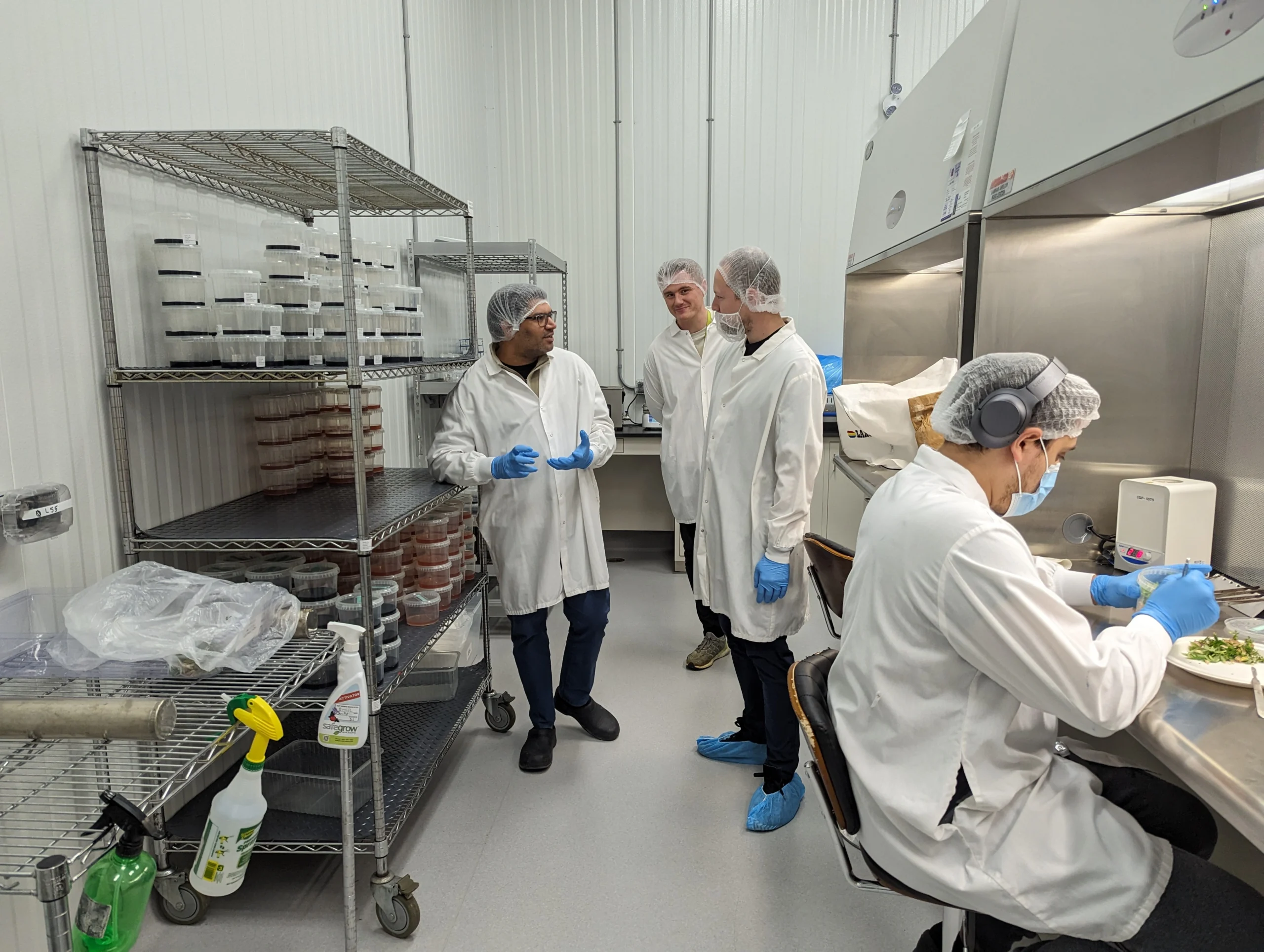
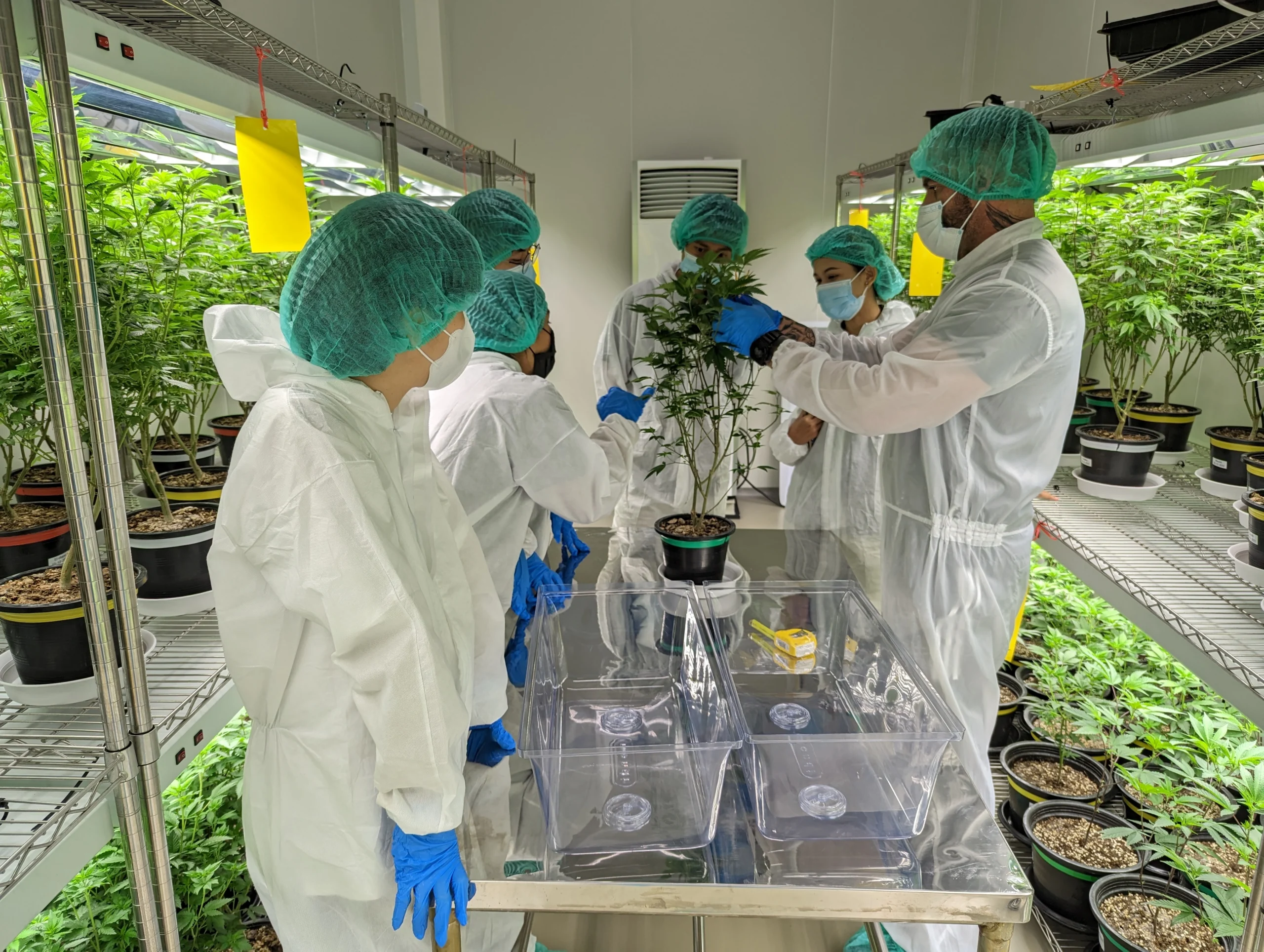
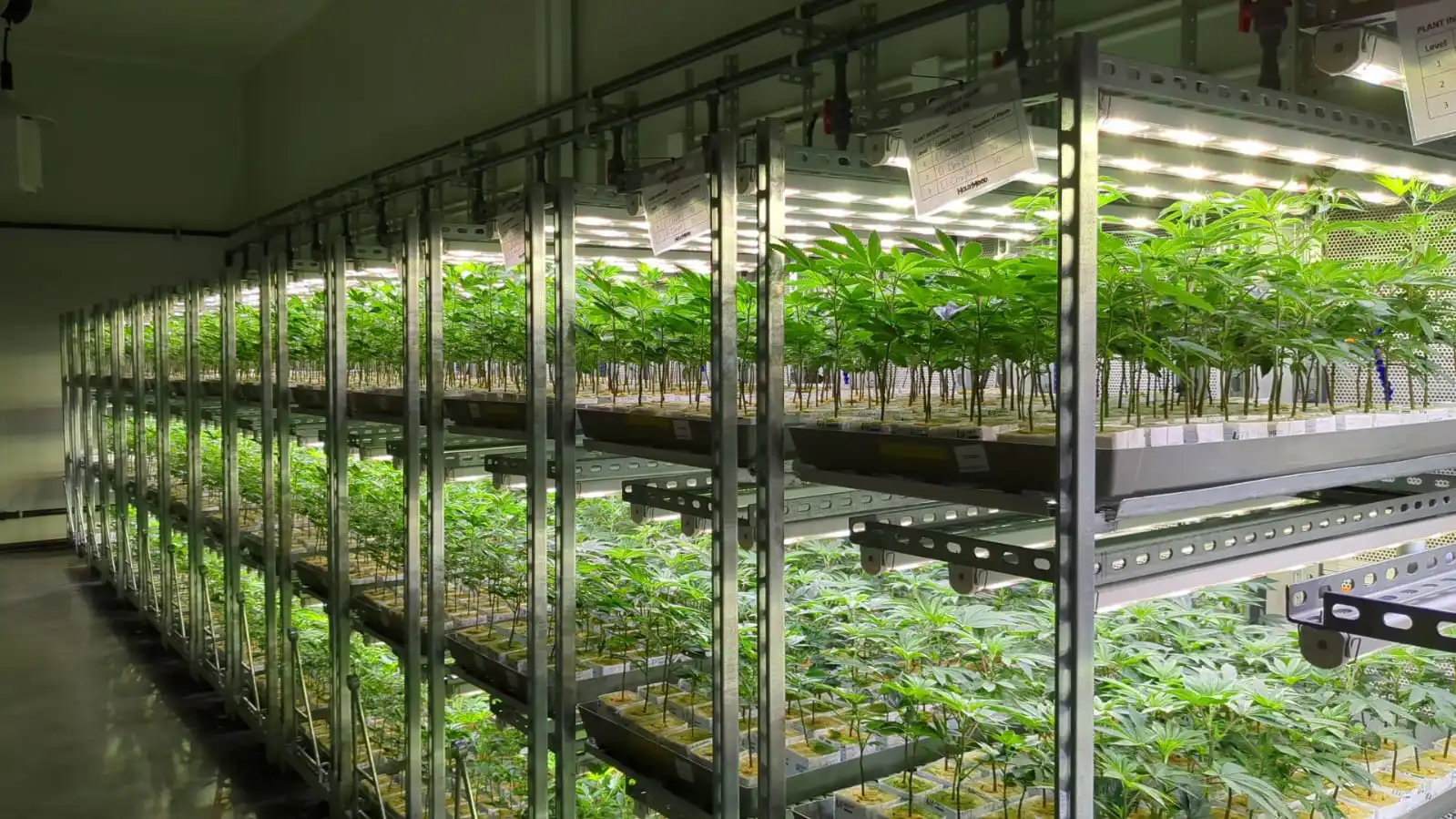
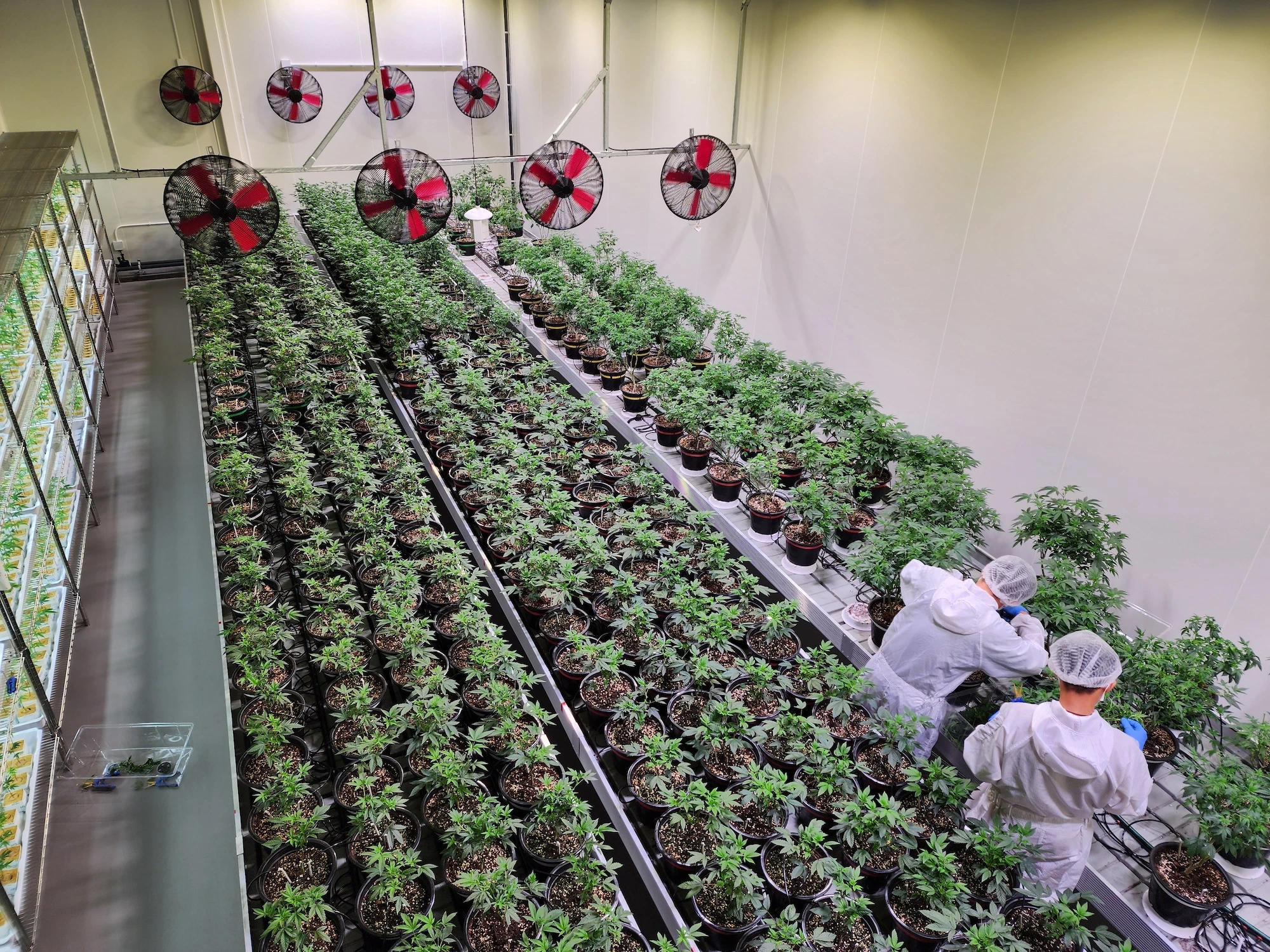
Tour a CannaCribs-Designed Facility

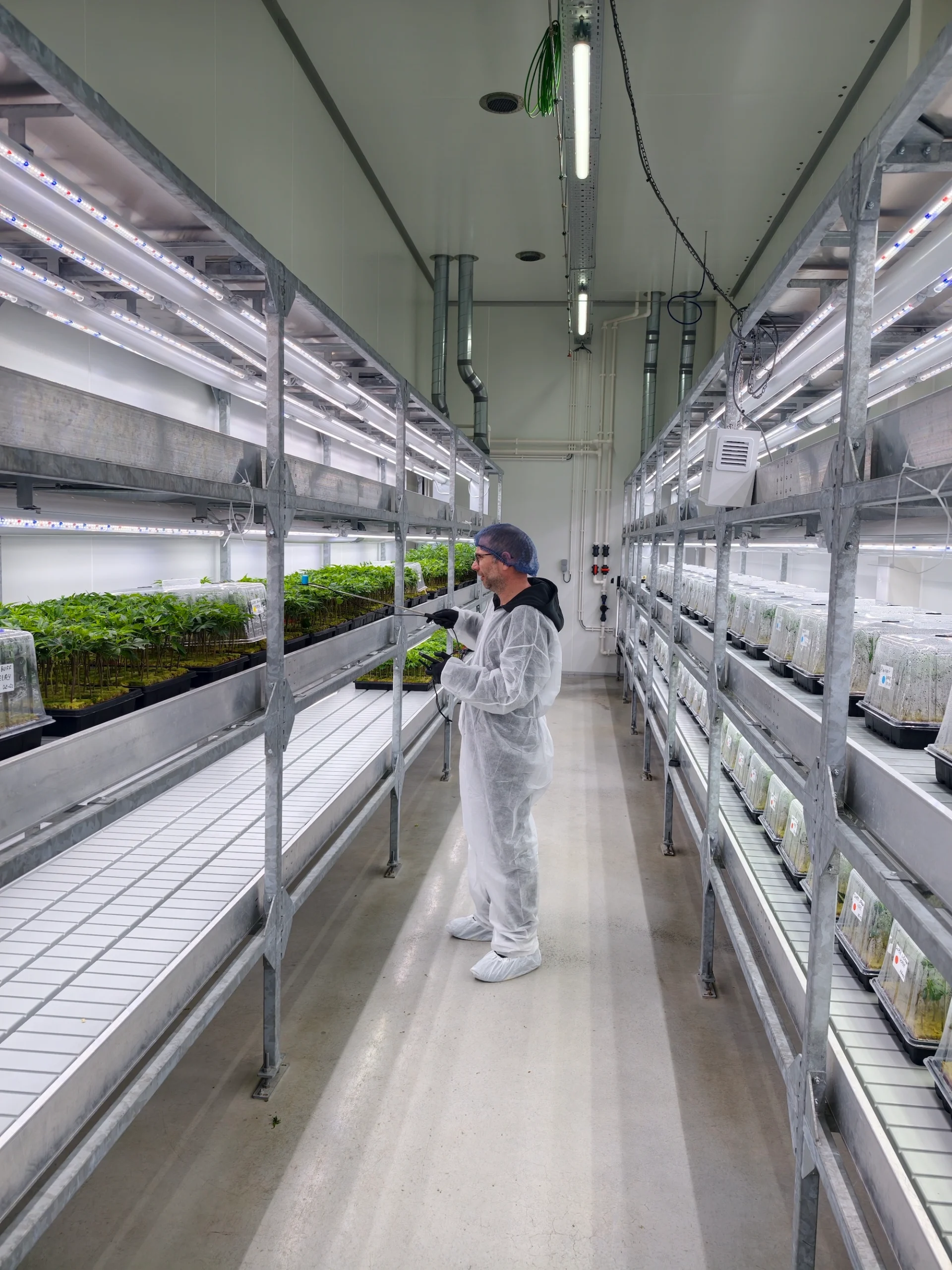
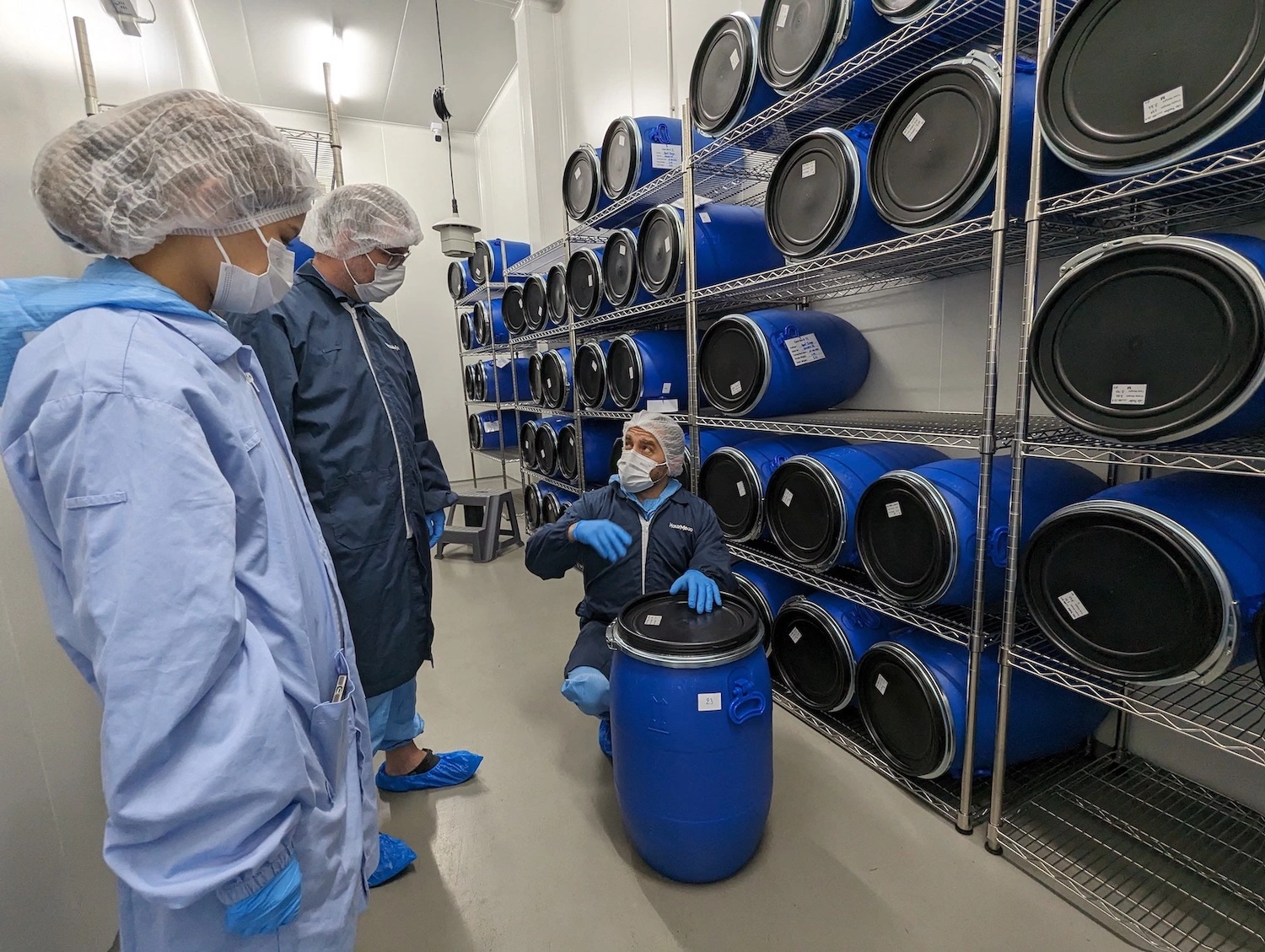
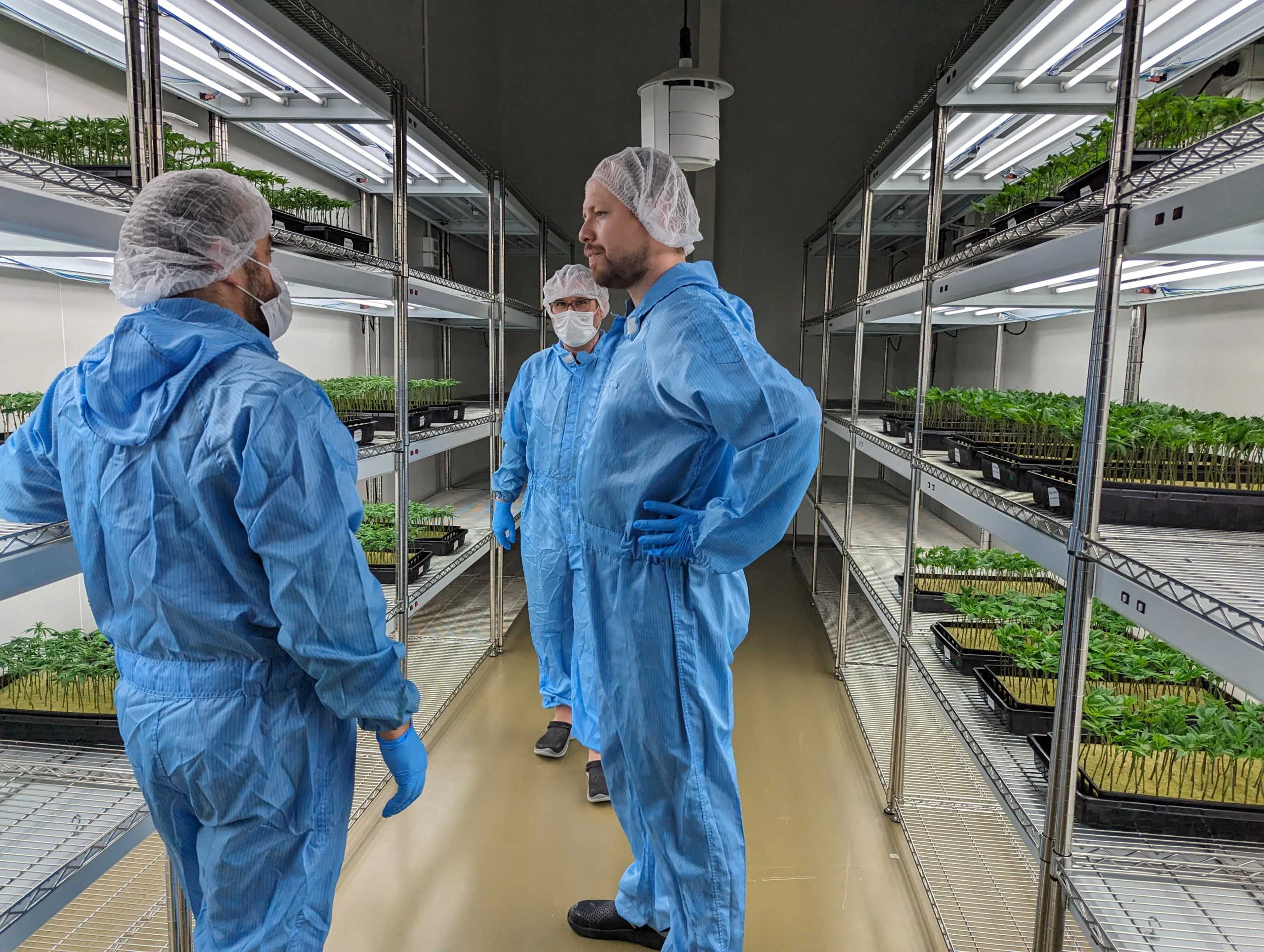
Take a walkthrough of a real commercial facility our team designed, built, and commissioned.

Take a Tour of One of Our Cannabis Facilities — CannaCribs Cultivation Consulting
The Minnesota Opportunity

A New Market.
An Early-Mover Advantage That Won't Last.

Minnesota signed adult-use cannabis into law in May 2023. The Office of Cannabis Management (OCM) is issuing cultivator licenses now. That means most of this market is still wide open—but not for long.

In every state that's gone legal, the cultivators who built the right facility first, dialed in their systems early, and consistently produced quality flower are the ones who built the brands and the relationships that still dominate years later. The early-mover window in Minnesota is measured in months, not years.

But "build fast" and "build right" aren't the same thing. We've seen too many operators rush into a facility, cut corners on HVAC or lighting, and spend their first 18 months firefighting instead of growing. We help you build it right the first time—so you're selling quality product by month six, not debugging your dehumidification system.

2023
Adult-use legalized (HF 100) — one of the most recent large-market legalizations in the U.S.
OCM
Office of Cannabis Management overseeing cultivator licensing, canopy limits, and compliance
Tier 1–4
Cultivator license tiers based on canopy size. Getting your tier right from the start matters financially.
$1B+
Projected annual MN cannabis sales within the first full years of adult-use retail operation
Minnesota-Specific Challenges

Growing in Minnesota Isn't Like
Growing Anywhere Else

Generic facility designs get operators in trouble fast in Minnesota. The climate swings hard in both directions, the regulatory environment is still taking shape, and the cost of getting HVAC or fertigation wrong shows up immediately on your bottom line. Here's what you're actually dealing with.

❄ Extreme Winter Heating Loads

Minnesota regularly sees −20°F to −30°F in winter. If your building envelope isn't designed for that—proper insulation values, vapor barriers, thermal bridging protection—your HVAC system runs flat-out all winter and your energy bill tells the story. Most off-the-shelf facility specs dramatically underestimate Minnesota heating loads.

☁ Seasonal HVAC Swings & Free Cooling

You're dealing with a 100°F+ temperature swing between a January night and a July afternoon. That's not a typical climate challenge—it requires systems engineered specifically for Minnesota's range. The upside: properly designed facilities can use economizer cycles and fresh-air free cooling in shoulder seasons, cutting mechanical cooling costs significantly.

💧 Summer Humidity & VPD Control

Minnesota summers push outdoor dewpoints to 65–70°F and relative humidity to 60–80%. During flowering, your rooms need VPD held tightly between 0.8–1.2 kPa. Without properly sized dehumidification, you're looking at powdery mildew and botrytis outbreaks. This is the single most common cause of preventable crop loss in Midwest facilities.

💧 Water Quality & Fertigation Programs

Minnesota water—whether municipal or from a well—varies in mineral content, pH, and seasonal chemistry. You can't just run a generic fertigation recipe. Your nutrient program needs to be built around your actual source water, with rootzone monitoring in place so you catch drift early instead of diagnosing it after your plants tell you something is wrong.

⚡ Energy Cost Management

Xcel Energy and other Minnesota utilities have demand charges and tiered rates that make your lighting schedule and HVAC strategy as important as your equipment selection. The operators who optimize for off-peak loads and invest in efficient LED systems from the start routinely cut energy cost per gram by 15–30% versus those running unoptimized setups.

📈 Canopy Yield vs. License Tier

Minnesota's OCM structures cultivator licenses by canopy size. Your financial model has to be built around your licensed canopy—and that means maximizing yield per square foot matters enormously. Facility design, lighting intensity, canopy training, and genetics selection all connect directly to your revenue per harvest cycle.

Cultivation Consulting Services

What We Do for
Minnesota Cultivators

We don't do retail strategy, dispensary design, regulatory filings, or brand consulting. Every engagement is focused on one thing: helping you grow better cannabis, more efficiently, in a facility that was designed to be profitable. Here's exactly what that looks like.

01

Grow Room Design & Facility Layout

We design from your canopy outward—working backwards from your OCM license tier and production goals to determine the optimal room configurations, traffic flow, and infrastructure. No wasted space, no afterthought rooms.

  • Flower, veg, mother, and clone room sizing
  • Dry, trim, cure, and storage room design
  • Workflow routing and contamination zone separation
  • Canopy-to-support-space ratio optimization
02

HVAC & Climate Control Engineering

Minnesota-specific HVAC design that handles arctic winters and humid summers without running your utility bills into the ground. We size systems for your actual climate zone and your actual grow environment—not generic assumptions.

  • Heat load and cooling load calculations for MN
  • Dehumidification sizing for Minnesota's summer RH
  • Heat recovery ventilation and free-cooling design
  • VPD mapping for each growth stage and room
03

Lighting System Design & Specification

Lighting is your biggest CapEx item and your biggest OpEx line. We design LED systems optimized for canopy coverage, PPFD uniformity, energy efficiency, and the actual dimensions of your rooms—so you're not overpaying for fixtures or leaving yield on the table.

  • PPFD mapping and uniformity modeling
  • LED fixture selection and placement layout
  • Lighting schedule design by growth stage
  • DLI targets tied to your genetics and yield goals
04

Irrigation & Fertigation System Design

Consistent, precise nutrient delivery is the foundation of consistent, high-potency production. We design irrigation systems around your specific substrate, genetics, and source water—and build the fertigation programs to run them.

  • Source water analysis and treatment design
  • Drip irrigation layout and zone mapping
  • Fertigation program development
  • Rootzone monitoring protocols (EC, pH, pour-through)
05

Canopy Management & Cultivation Programs

Your clone program, training protocols, crop scheduling, and harvest timing determine your harvest frequency and flower quality. We build the programs—not just write the SOPs—based on how your specific facility, genetics, and team actually operate.

  • Mother plant and clone system design
  • Training protocols (LST, topping, ScrOG/SCROG)
  • Crop steering and canopy uniformity programs
  • Harvest scheduling and batch planning
06

Integrated Pest Management (IPM)

Minnesota's climate creates specific disease and pest pressure across seasons. We build proactive IPM programs that use biological controls first, keep your crop healthy, and make sure you're clean when OCM or your wholesale buyer wants documentation.

  • Facility-specific pest pressure risk assessment
  • Preventive biological control programs
  • PM and botrytis risk reduction protocols
  • Environmental controls tied to IPM strategy
07

Harvest & Post-Harvest Systems

A perfect plant can become a mediocre product in the dry room. We design post-harvest systems—drying, curing, trimming, storage—that preserve what you grew, protect terpene profiles, and deliver consistent bag appeal on every batch.

  • Dry room environmental design (temp, RH, airflow)
  • Drying and curing protocol development
  • Trimming workflow and equipment selection
  • Storage conditions and shelf-life management
08

Facility Commissioning & SOPs

A well-designed facility still fails without proper commissioning and documented procedures. We commission your systems, train your team, and build the SOPs your operators actually use—so day one feels like you've been running for a year.

  • Full system commissioning and environmental dialing
  • Cultivation SOPs for every growth stage
  • Staff training and competency programs
  • Data collection systems and KPI tracking setup
Science-Backed Cultivation

We Build Protocols from
Peer-Reviewed Research

There's more published research on controlled-environment cannabis production today than ever before. We take that research seriously—and we build it into our consulting programs. Our protocols draw from peer-reviewed horticulture science including published studies from the University of Guelph and frameworks like the Handbook of Cannabis Production in Controlled Environments (Caplan, Gutierrez & Matzneller, Routledge, 2022).

This isn't grow-room folklore or vendor marketing. It's evidence-based cultivation science applied to commercial facilities. The research on drought stress, nitrogen optimization, substrate dryback, and rootzone management gets built into your facility's programs from day one—so you're not learning these things the hard way through failed harvests.

We translate the science into practical, executable protocols your team can run. That's the difference between knowing what the research says and actually using it to grow better cannabis.

+12% THCA & CBDA
Controlled drought stress applied in late flowering increased THCA and CBDA concentrations by more than 12% in University of Guelph research—without sacrificing yield when applied correctly.
Source: Caplan et al. / University of Guelph; Sostanza Global Resources
389 mg N/L
Optimal nitrogen rate for maximum yield in the vegetative stage using coir substrate. Peak THC concentration was achieved at approximately 418 mg N/L.
Source: Sostanza Global — Optimal Organic Fertilizer Rates, Vegetative Stage
212–261 mg N/L
Optimal nitrogen range for the flowering stage. Research showed drier coir substrate consistently outperformed wetter mixes in both yield and quality outcomes.
Source: Sostanza Global — Optimal Organic Fertilizer Rates, Flowering Stage
30–50% Daily Dryback
Target daily substrate dryback for container-based drip systems. Proper dryback cycles balance oxygen availability, nutrient uptake, and root zone health across the day.
Source: Sostanza Global — Advanced Drip Irrigation Techniques
How We Work

A Process Built on
50+ Real Facilities

Every engagement starts with your numbers and your goals—not a template. We've refined this process across 50+ facilities in North America, and we've adapted it specifically for Minnesota's regulatory environment, climate conditions, and market dynamics.

Not sure where to start?

If you're pre-license and still figuring out whether a cultivation operation makes financial sense for you, that's exactly where we start. The financial model comes first—before the facility design, before the equipment list, before anything else. We've helped operators walk away from bad deals before they committed capital, and we've helped others find the path to a profitable operation they hadn't seen yet.

01

Financial Modeling & Feasibility

We start with your numbers. We build out the financial model connecting your facility capacity, CapEx, OpEx, yield assumptions, and revenue projections—so you know if it works before you commit. Learn more about our financial modeling approach.

02

Site & Building Assessment

We evaluate your site or building against cultivation requirements: structural load capacity, utility infrastructure, HVAC potential, water access, and for Minnesota specifically—building envelope performance against extreme cold.

03

Facility Design & Systems Specification

We produce comprehensive design documentation: room layouts, mechanical system specs, lighting designs, and irrigation plans. Your architect and contractors get clear, buildable documents—not napkin sketches.

04

Build Support & Procurement Guidance

We stay involved during your build-out, reviewing contractor submittals and advising on equipment procurement. We catch deviations before they become expensive rework—and connect you with vetted suppliers through our industry network.

05

Commissioning & First Harvest Support

We commission your systems, dial in your cultivation environment, and support you through your first harvest. Everything gets documented as SOPs so your team can operate independently and consistently.

Get Expert Guidance

Ready to Build Your
Minnesota Cultivation Facility?

If navigating Minnesota's climate, OCM licensing, and the complexity of building a profitable cultivation operation feels like a lot—that's because it is. You don't have to figure it out alone. Our team has done this across 50+ facilities. Let's talk about yours.

Get Expert Guidance

Tell us about your project.