Virginia Cannabis Cultivation Consulting

Grow High-Quality Cannabis in Virginia's Competitive Market

Virginia's adult-use market is live, the competition is growing, and the cultivators who figure out their environment first are the ones producing the premium product. We help you design and operate the facility that makes that possible.

50+
Facilities Designed
10+
Years in Cannabis
15+
States Served
100%
Cultivation-Focused
See Our Work

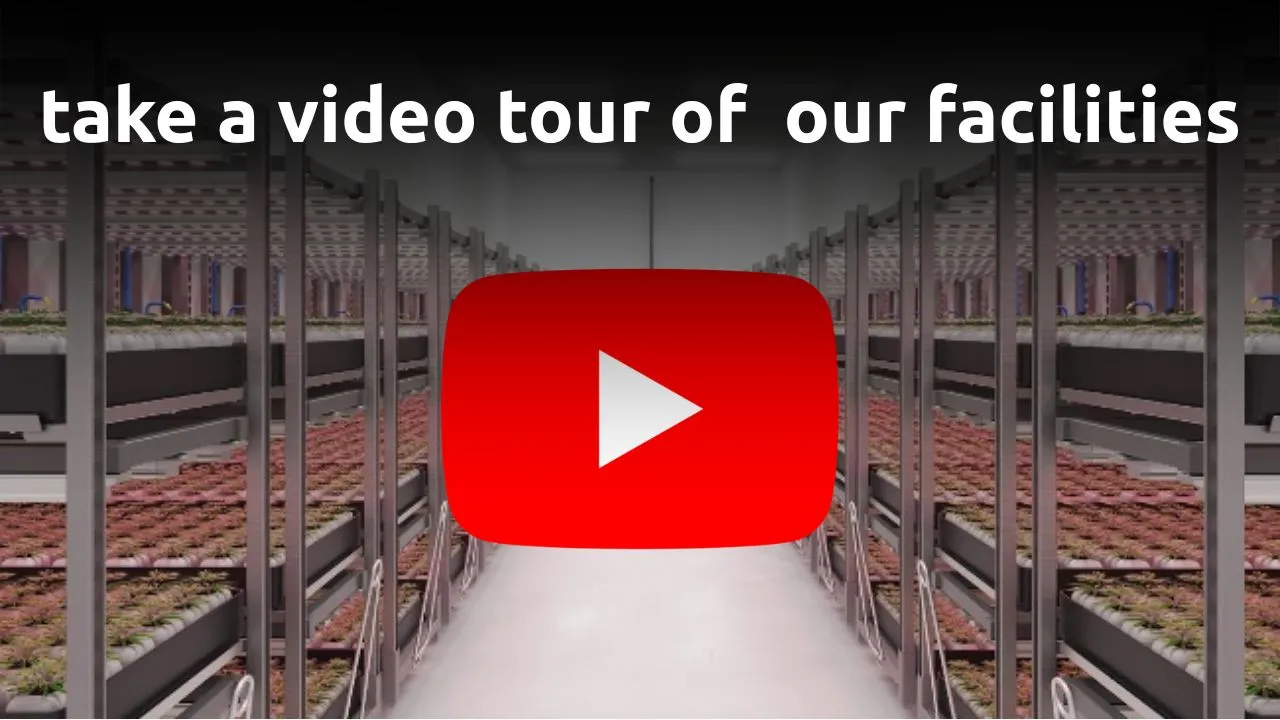
Tour a CannaCribs-Designed Facility

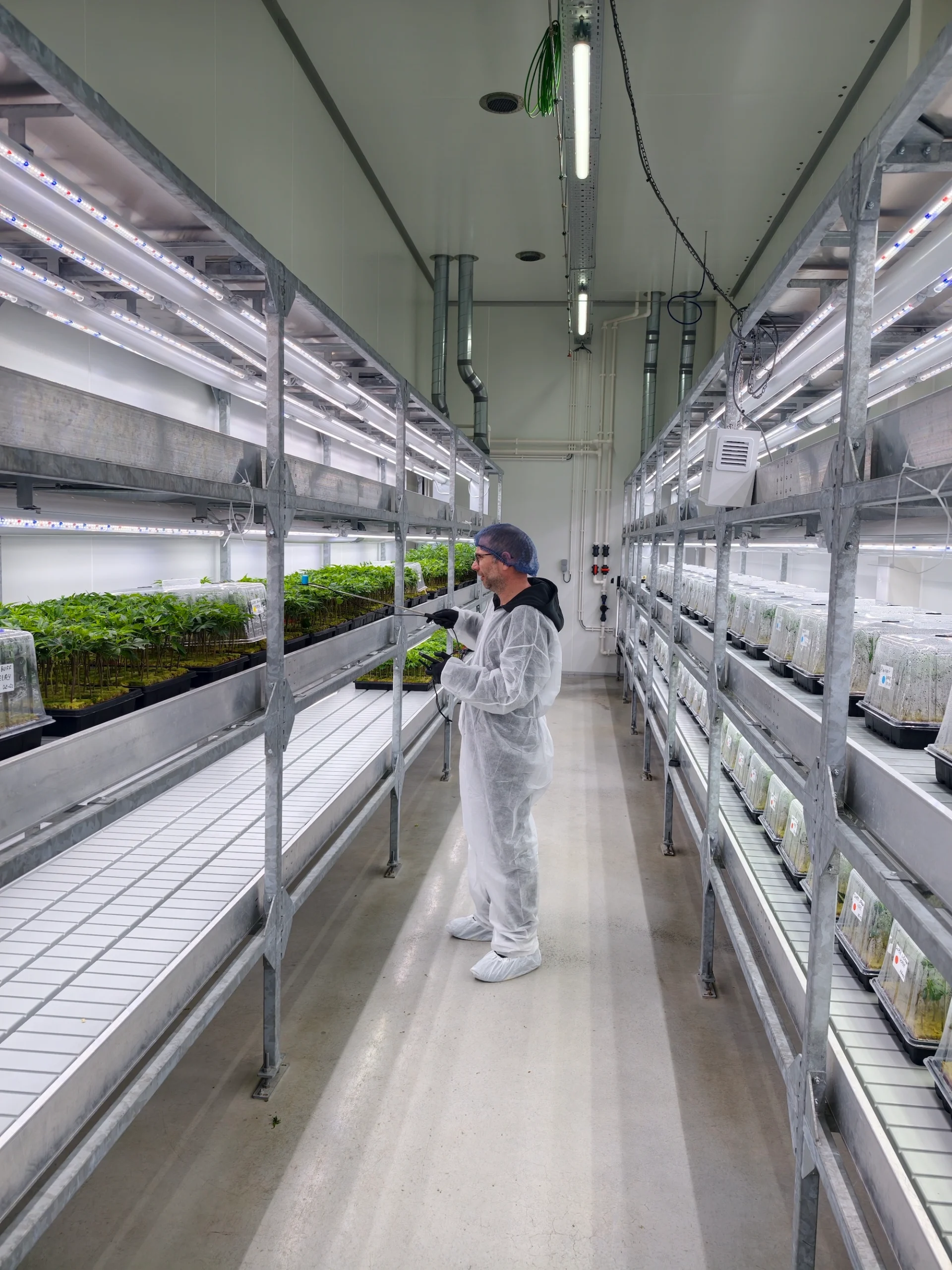
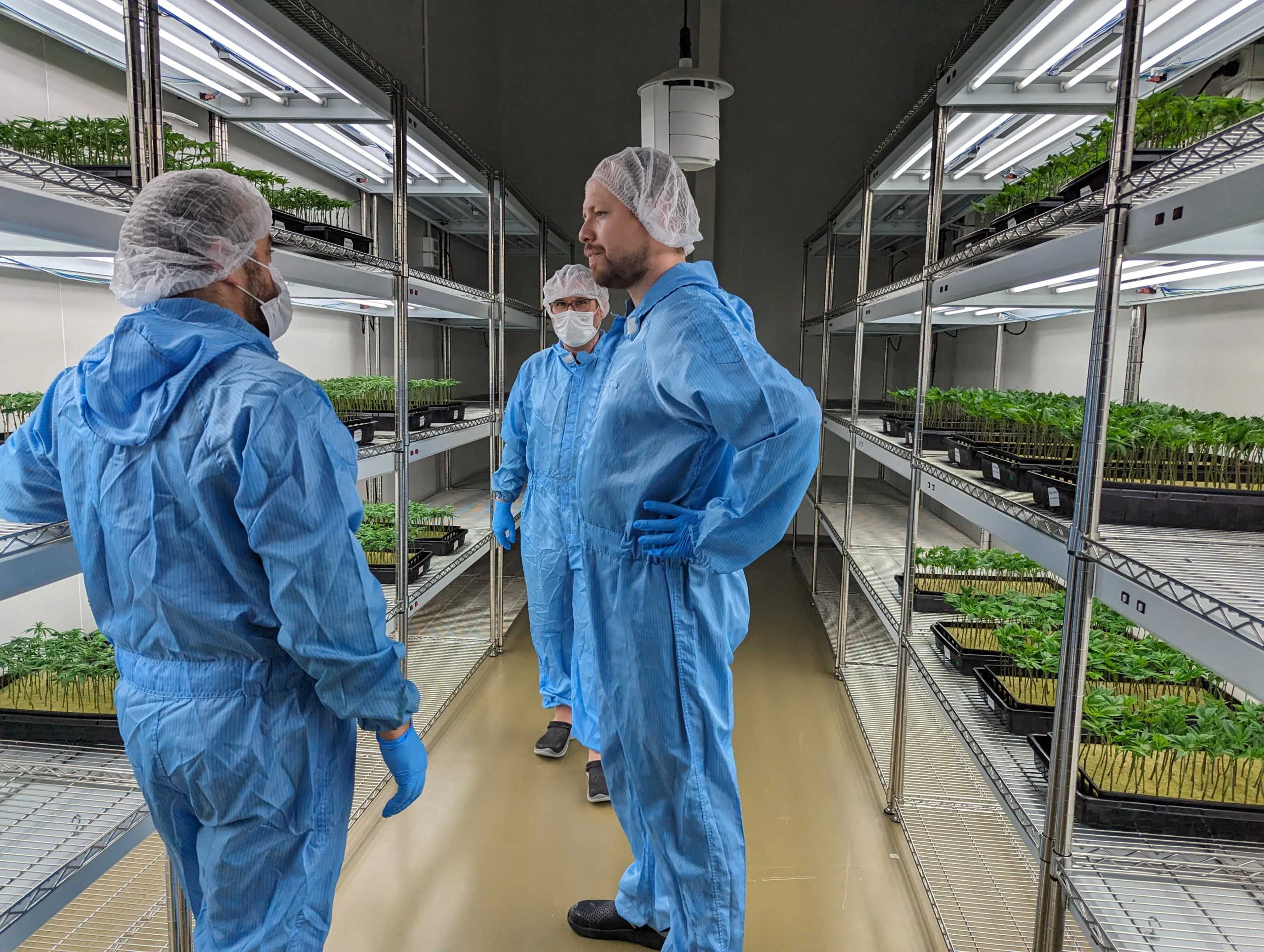
Take a walkthrough of a real commercial facility our team designed, built, and commissioned.

Take a Tour of One of Our Cannabis Facilities — CannaCribs Cultivation Consulting
The Virginia Opportunity

Virginia's Market Is Live.
Quality Cultivation Wins.

Virginia launched adult-use cannabis retail in January 2024 under the oversight of the Virginia Cannabis Control Authority (CCA). The medical program has been running since 2019, which means there are already experienced operators in this market. If you're building now, you're entering a market where the bar is set and the competition has a head start.

That makes one thing very clear: you can't win on volume. Virginia's cultivators who are building durable businesses are winning on consistency, quality, and efficiency. The growers who understand their environment, dial in their systems, and protect their crops from Virginia's humidity-driven disease pressure are the ones building the brands that buyers come back to.

We've helped cultivators in Southeast markets navigate exactly this challenge. Virginia's climate, licensing structure, and competitive dynamics require a specific approach—and we build that approach into every facility we work on here.

2024
Adult-use retail launched January 2024 — a competitive market with experienced operators already in place
CCA
Virginia Cannabis Control Authority overseeing cultivator licensing, compliance, and testing requirements
4 Types
Cultivator, Craft Grower, Microbusiness, and Processor licenses — each with different canopy limits and cost structures
Since 2019
Virginia's medical program has been active since 2019 — adult-use builds on an established foundation
Virginia-Specific Challenges

Virginia's Climate Will Test
Every System in Your Facility

Virginia's humid subtropical climate—especially in central and southern parts of the state—creates cultivation challenges that most facility designs from other regions aren't built to handle. Get ahead of these now, or spend your first years reacting to them.

🌧 Summer Humidity & Dehumidification Loads

Virginia summers routinely bring outdoor relative humidity of 70–85% and temperatures into the mid-to-upper 90s. That outdoor air load is fighting your dehumidification system every minute your facility is running. Under-sized dehumidification is the most common reason Virginia cultivators lose crops to powdery mildew and botrytis—and it's entirely preventable with proper system sizing from the start.

🍀 Powdery Mildew Is a Real, Constant Risk

Virginia's climate is ideal for PM pathogens. High humidity, moderate temperatures, and poor airflow create the perfect conditions for a PM outbreak to spread facility-wide in days. Reactive IPM doesn't work here—you need a proactive, system-level approach built into your HVAC design, airflow strategy, and biological control program from day one.

⛜ Cooling Loads & Energy Costs

Virginia summers create significant cooling demands. When you layer in the heat from your LED lighting and the latent load from dehumidification, you're running serious BTUs in the summer months. Dominion Energy's summer demand charges can dramatically inflate your COGS if your mechanical systems weren't designed with Virginia's peak-season loads in mind.

🐛 Pest Pressure in a Warm, Humid Climate

Spider mites, fungus gnats, and thrips thrive in warm, humid environments. Virginia's year-round mild-to-warm temperatures mean pest populations don't get a winter reset the way they do in colder states. Your IPM program needs to account for Virginia-specific pest cycles and pressure levels—especially if you're in a location with any outdoor agricultural activity nearby.

💧 Water Quality & Fertigation Consistency

Water quality varies significantly across Virginia—municipal sources in Northern Virginia have very different chemistry than well water in the Shenandoah Valley or coastal tidewater areas. Without a fertigation program built around your actual source water, you'll fight nutrient lockout and pH drift constantly. Rootzone monitoring and regular water analysis aren't optional here.

📈 Standing Out in a Competitive Market

Virginia's medical operators have been growing since 2019. Adult-use opened to those same operators first. If you're entering now, your product has to be better—more consistent, more potent, better presented—to earn shelf space and repeat buyers. That starts with cultivation systems designed for quality, not just volume.

Cultivation Consulting Services

What We Do for
Virginia Cultivators

CannaCribs is a cultivation-only consulting firm. We don't split our focus across retail, regulatory, or marketing services. Every engagement is built around one goal: helping Virginia cultivators grow better cannabis in a facility designed to be profitable long-term.

01

Grow Room Design & Facility Layout

We design from your CCA license type and production goals outward—so every square foot of your facility is working toward your harvest targets, not sitting as underutilized support space.

  • Flower, veg, mother, and clone room configuration
  • Dry, trim, cure, and storage room design
  • Airflow routing and contamination zone separation
  • Canopy-to-support-space ratio built around your license tier
02

HVAC & Climate Control Engineering

Virginia-specific HVAC design that keeps humidity in check during summer, maintains VPD targets throughout the year, and doesn't send your energy bill through the roof doing it.

  • Cooling and latent load calculations for VA climate zones
  • Dehumidification systems sized for Virginia's peak RH loads
  • Precision VPD management for each growth stage
  • Energy efficiency optimization for Dominion Energy rate structures
03

Lighting System Design & Specification

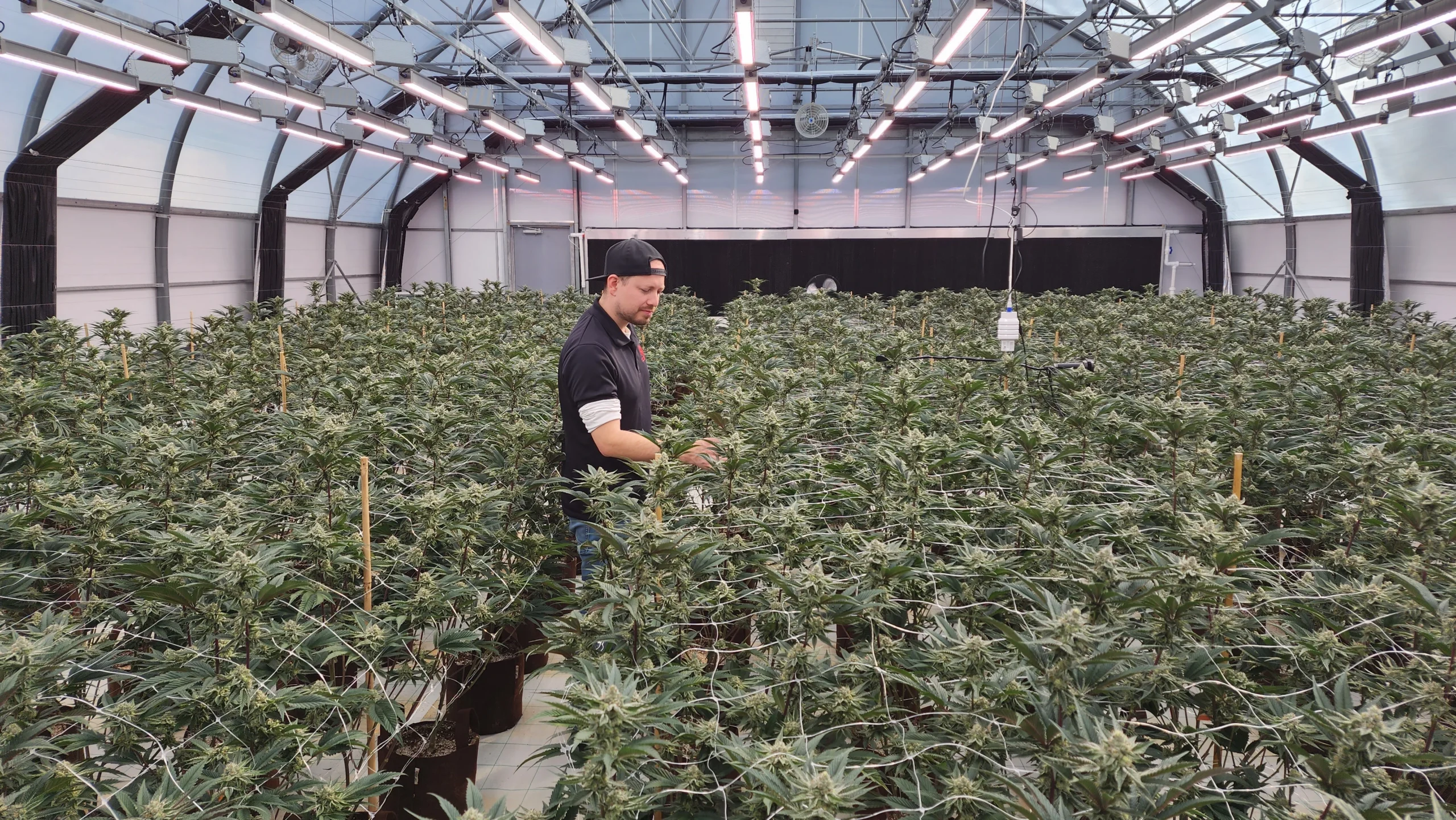
LED systems designed for your room dimensions, your canopy, and your genetics—optimized for PPFD uniformity and energy efficiency so you're not over-spending on fixtures or leaving yield behind.

  • PPFD mapping and uniformity modeling
  • LED fixture selection and placement layout
  • Lighting schedule design by growth stage
  • DLI targets for your specific genetics and quality goals
04

Irrigation & Fertigation System Design

Consistent, precise nutrition starts with understanding your water source and building a program around it. We design irrigation systems and fertigation programs for your specific substrate, genetics, and Virginia water chemistry.

  • Source water analysis and treatment system design
  • Drip irrigation layout and zone mapping
  • Nutrient program development for Virginia water profiles
  • Rootzone EC/pH monitoring and pour-through protocols
05

Canopy Management & Cultivation Programs

Your clone program, training protocols, and crop scheduling are the engine behind consistent quality and harvest frequency. We build the programs around your facility, your team's capacity, and Virginia's market demand patterns.

  • Mother plant management and clone system design
  • Training protocols (LST, topping, screen systems)
  • Crop steering programs for premium flower development
  • Harvest scheduling and batch management planning
06

Integrated Pest Management (IPM)

Virginia's climate demands a proactive IPM strategy, not a reactive one. We build biological-first programs that address Virginia's specific pest pressures, minimize chemical intervention, and keep you compliant and audit-ready.

  • Virginia-specific pest and disease risk assessment
  • Biological control program design and supplier selection
  • Powdery mildew and botrytis prevention protocols
  • Environmental strategies that reduce pest-favorable conditions
07

Harvest & Post-Harvest Systems

In Virginia's humidity, post-harvest is where a lot of operators lose terpenes and bag appeal they worked hard to develop in the garden. We design dry rooms and curing systems that preserve what you grew.

  • Dry room environmental design for Virginia's climate
  • Drying and curing protocol development
  • Trimming workflow optimization and equipment selection
  • Storage conditions for maximum shelf life and potency retention
08

Facility Commissioning & SOPs

Getting a facility designed right is step one. Getting it commissioned properly and running it with consistent procedures is what separates facilities that perform from those that underperform. We do both.

  • Full system commissioning and environmental calibration
  • Cultivation SOPs for every stage of production
  • Staff training and operational readiness programs
  • Data collection setup and KPI monitoring frameworks
Science-Backed Cultivation

Virginia's Best Growers
Rely on Research, Not Guesswork

In a competitive market like Virginia, the cultivators who stand out are the ones who can consistently produce high-quality flower. That consistency doesn't come from luck—it comes from understanding what the research says about how cannabis plants respond to their environment, and building those principles into every system in your facility.

Our consulting programs draw from peer-reviewed horticulture science including published research from the University of Guelph and the Handbook of Cannabis Production in Controlled Environments (Caplan, Gutierrez & Matzneller, Routledge, 2022)—combined with Sostanza Global's extensive applied research on nitrogen optimization, substrate management, and controlled stress techniques.

The result is cultivation protocols grounded in data—translated into practical, daily procedures your team can execute consistently. That's the difference between a facility that performs and one that chases problems.

+12% THCA & CBDA
Controlled drought stress in late flowering increased THCA and CBDA concentrations by 12%+ in University of Guelph research. When applied correctly, cannabinoid gains don't require sacrificing yield.
Source: Caplan et al. / University of Guelph; Sostanza Global Resources
389 mg N/L
Optimal nitrogen rate for maximum vegetative yield in coir substrate. Research showed peak THC concentration at approximately 418 mg N/L—demonstrating that yield and potency peaks aren't always the same input.
Source: Sostanza Global — Optimal Organic Fertilizer Rates, Vegetative Stage
212–261 mg N/L
Optimal nitrogen range during flowering. Drier coir substrate consistently outperformed wetter mixes in yield and quality—important for Virginia operators managing high ambient humidity conditions.
Source: Sostanza Global — Optimal Organic Fertilizer Rates, Flowering Stage
30–50% Daily Dryback
Target daily substrate dryback for drip systems balances oxygen availability, nutrient uptake, and root zone health. In Virginia's humid conditions, proper dryback management is especially critical to prevent root zone issues.
Source: Sostanza Global — Advanced Drip Irrigation Techniques
How We Work

A Proven Process.
Adapted for Virginia.

We don't use the same playbook for every state. Virginia's climate, CCA licensing structure, and market maturity require a specific approach. We've built our engagement process around the real decisions Virginia cultivators face—from choosing the right license type to building for Virginia's humidity profile.

Already operational and struggling?

Not every engagement starts at the beginning. If you're already running a Virginia facility and dealing with persistent humidity problems, inconsistent yields, disease pressure, or underperforming systems—we can come in, assess what's happening, and build a remediation plan. We've helped operational facilities turn around significant problems without shutting down production.

01

Financial Modeling & Feasibility

We start by connecting your facility size, CCA license type, CapEx, OpEx, and yield assumptions into a financial model that tells you whether the project works—before you commit to a space or a build. See our financial modeling framework.

02

Site & Building Assessment

We evaluate your site against Virginia-specific cultivation requirements: structural load, utility capacity, HVAC infrastructure potential, water source chemistry, and the building envelope's ability to handle Virginia's summer humidity loads.

03

Facility Design & Systems Specification

Room layouts, mechanical system specs, lighting designs, irrigation plans—all coordinated and buildable. Your architect and contractors get clear documentation that doesn't leave room for guesswork or costly interpretation errors.

04

Build Support & Procurement Guidance

We stay involved during your build-out—reviewing submittals, catching deviations before they become expensive, and helping you navigate equipment procurement through our vetted supplier network.

05

Commissioning & First Harvest Support

We commission your systems, help your team dial in the environment, and support you through your first harvest cycle. Everything gets documented as SOPs so your operation runs consistently from day one forward.

Get Expert Guidance

Let's Build Your
Virginia Cultivation Facility Right.

Virginia's market rewards cultivators who produce consistent, quality cannabis. Getting your facility, environment, and cultivation systems right isn't something you have to figure out alone. Our team has been through this across 50+ facilities. Let's talk about yours.

Get Expert Guidance

Tell us about your project.